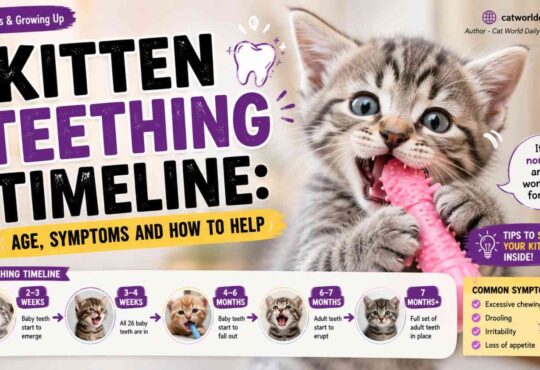
Kitten Care Guide: Everything New Cat Parents Need to Know

Preparing Your Home for a New Kitten
Bringing a kitten home feels a bit like welcoming a curious toddler with superpowers. Everything becomes interesting. Every corner needs investigation. Every dangling cord suddenly looks like the greatest toy ever invented. Before your kitten arrives, taking time to prepare your home can prevent accidents and help your new companion feel comfortable from day one.
Start by creating a dedicated safe space. This could be a spare bedroom, a quiet corner, or a small area where your kitten can adjust without feeling overwhelmed. Include a cozy bed, food and water bowls, toys, a scratching post, and a litter box. Keeping essentials nearby allows your kitten to learn the environment gradually.
Certain household items can pose serious risks. Electrical cords, toxic plants, cleaning chemicals, medications, and small objects that can be swallowed should be secured or removed. Curious kittens explore with both their paws and mouths, making prevention extremely important.
Here is a simple starter checklist:
| Essential Item | Purpose |
|---|---|
| Food Bowl | Daily feeding |
| Water Bowl or Fountain | Hydration |
| Litter Box | Toilet training |
| Scratching Post | Healthy scratching habits |
| Cat Bed | Comfort and security |
| Carrier | Vet visits and travel |
| Toys | Mental stimulation |
| Kitten Food | Proper nutrition |
Preparing in advance reduces stress for both you and your kitten. A safe and welcoming environment creates the perfect foundation for a smooth transition into your family.
Understanding Your Kitten’s Early Development
Kittens grow incredibly fast during their first year. One day they fit in the palm of your hand, and before you know it, they are leaping onto bookshelves and sprinting through the house like tiny athletes. Understanding developmental stages helps new cat parents provide the right care at the right time.
Between birth and eight weeks, kittens experience rapid physical and social development. During this period, they learn essential skills from their mother and littermates. By the time most kittens are adopted, usually around eight to twelve weeks, they are beginning to explore independently while still learning social boundaries.
From three to six months, curiosity reaches new heights. This stage often includes climbing, chewing, chasing, and endless play sessions. Their confidence grows daily, and many behavioral habits begin forming during this period. Positive experiences and gentle guidance are particularly important.
The adolescent phase, typically from six months to one year, brings increased independence and energy. Some kittens may test boundaries, much like human teenagers. Consistent routines help them feel secure while encouraging healthy behaviors.
Recognizing developmental milestones allows owners to set realistic expectations. A kitten that climbs curtains or races around the house isn’t being naughty. They’re simply expressing natural instincts. Understanding this perspective helps you respond with patience rather than frustration, creating a stronger bond and a happier household.
Choosing the Right Food for Your Kitten
Nutrition plays a massive role in your kitten’s growth and long-term health. During the first year, kittens require significantly more calories, protein, vitamins, and minerals than adult cats. Think of kitten food as premium fuel for a rapidly developing body and brain.
High-quality kitten formulas are specifically designed to support healthy development. These diets typically contain higher protein levels, balanced calcium and phosphorus, and essential nutrients such as taurine. Choosing food labeled as complete and balanced for growth ensures your kitten receives appropriate nutrition.
One common question involves wet food versus dry food. The truth is that both have benefits. Wet food helps increase hydration and often appeals to picky eaters. Dry food offers convenience and can support dental health when combined with proper veterinary care.
| Food Type | Benefits | Considerations |
|---|---|---|
| Wet Food | Higher moisture content | Usually more expensive |
| Dry Food | Convenient and affordable | Lower moisture levels |
| Mixed Feeding | Combines benefits of both | Requires portion control |
Feeding schedules should also match age. Younger kittens may need three to four meals daily, while older kittens can transition to two or three meals. Consistency helps regulate digestion and supports healthy growth.
Proper nutrition isn’t just about filling a bowl. It’s about building the foundation for a healthy life. The quality of food provided during kittenhood can influence overall health, energy levels, and well-being for years to come.
Creating a Safe Living Environment
A kitten’s world is one giant adventure playground. Unfortunately, many everyday household items can become hazards if precautions aren’t taken. Creating a safe environment requires seeing your home from a kitten’s perspective.
Look around and imagine being only a few inches tall. That dangling blind cord suddenly looks fascinating. The open washing machine appears like a secret cave. The decorative plant becomes an irresistible object to chew. Identifying these risks before problems occur is one of the most effective ways to protect your pet.
Windows should have secure screens. Toxic plants such as lilies should be removed entirely. Medications, cleaning products, and sharp objects need secure storage. Small objects like rubber bands, hair ties, and string should never be left accessible.
Many owners overlook vertical spaces. Cats naturally love climbing and exploring elevated areas. Providing cat trees, shelves, or climbing structures gives kittens safe opportunities to satisfy these instincts without damaging furniture or risking injury.
Safety isn’t about limiting exploration. It’s about creating an environment where exploration can happen safely. When a kitten can satisfy its curiosity without encountering danger, confidence grows and stress decreases.
Litter Box Training Basics
One of the easiest aspects of kitten ownership is litter training. Most kittens naturally gravitate toward using a litter box, but proper setup makes the process even smoother.
Location matters more than many people realize. The litter box should be placed in a quiet, easily accessible area away from food and water bowls. Cats value privacy, and a noisy or busy location can discourage use.
A useful rule is to provide one litter box per cat plus one extra. Even in single-cat households, multiple litter boxes can reduce accidents and provide options. Cleanliness is equally important. Cats are naturally clean animals and may avoid dirty litter boxes.
Common mistakes include changing litter types too frequently, using heavily scented litter, or placing the box in hard-to-reach locations. These issues can create confusion and lead to inappropriate elimination.
Patience remains essential. Accidents may happen during transitions or stressful situations. Instead of punishment, focus on identifying the cause and making adjustments. Positive reinforcement and consistency usually solve most litter training challenges quickly.
Socialization and Building Trust
Trust is the foundation of every strong relationship between a cat and its owner. Socialization during kittenhood plays a major role in shaping future behavior and confidence.
The goal isn’t simply making your kitten friendly. It’s helping them feel comfortable in different situations, around different people, and in various environments. Positive exposure during early life can significantly reduce fear and anxiety later on.
Allow your kitten to approach interactions at their own pace. Avoid forcing contact. Gentle handling, calm voices, and rewarding positive experiences help build confidence. Visitors can also contribute to socialization by offering treats and engaging in gentle play.
Trust develops through consistency. Feeding routines, play sessions, and predictable daily interactions create a sense of security. Over time, your kitten learns that you are a source of safety and comfort.
Think of trust as a bridge. Every positive interaction adds another plank. Eventually, that bridge becomes strong enough to support a lifelong bond filled with affection, companionship, and mutual understanding.
Playtime and Mental Stimulation
Play isn’t just entertainment for kittens. It is essential for physical development, mental stimulation, and emotional well-being. Through play, kittens practice hunting skills, improve coordination, and release energy.
Interactive toys are especially valuable because they mimic prey behavior. Wand toys, balls, tunnels, and puzzle feeders provide opportunities for exercise and problem-solving. Rotating toys regularly keeps things interesting and prevents boredom.
Daily play sessions also help reduce unwanted behaviors. A kitten with excess energy may resort to biting ankles, climbing curtains, or scratching furniture. Structured play provides a healthy outlet for those natural instincts.
Short sessions throughout the day often work better than one long session. Even ten to fifteen minutes of focused interaction can make a noticeable difference. Ending play with a small treat or meal mimics the natural hunt-catch-eat sequence, creating satisfaction.
A mentally stimulated kitten is generally happier, healthier, and easier to live with. Playtime strengthens your relationship while helping your kitten grow into a confident adult cat.
Grooming and Hygiene
Good grooming habits begin early. Even short-haired kittens benefit from regular brushing, handling, and hygiene routines. Starting young helps prevent resistance later in life.
Brushing removes loose hair, reduces shedding, and provides an opportunity to check for skin issues. Long-haired breeds may require more frequent grooming to prevent mats and tangles. Making brushing enjoyable through treats and praise encourages cooperation.
Nail trimming is another important skill. Sharp claws can damage furniture and accidentally scratch people during play. Regular trimming helps maintain comfort and safety. Begin with short sessions and reward calm behavior.
Bathing is usually unnecessary unless your kitten becomes particularly dirty or has a medical need. Most cats are excellent self-groomers. Excessive bathing can actually strip natural oils from the coat.
Dental care often gets overlooked. Introducing tooth brushing early can significantly improve long-term oral health. While it may seem challenging initially, early training often leads to better acceptance and fewer dental problems in adulthood.
Veterinary Care and Vaccinations
Veterinary care should begin soon after adoption. An initial wellness exam provides an opportunity to assess overall health, discuss nutrition, and establish a preventive care plan.
Vaccinations are one of the most important aspects of early healthcare. They protect against serious diseases and help build immunity during a vulnerable stage of life. Your veterinarian will recommend a schedule based on age, health status, and local requirements.
A typical first-year plan may include:
| Age | Veterinary Care |
|---|---|
| 6–8 Weeks | Initial vaccinations |
| 10–12 Weeks | Booster vaccines |
| 14–16 Weeks | Additional boosters |
| 4–6 Months | Spay or neuter discussion |
| 12 Months | Annual wellness visit |
Parasite prevention is equally important. Fleas, ticks, and intestinal worms can affect kittens even when they live primarily indoors. Preventive treatments recommended by your veterinarian help protect against these common threats.
Regular veterinary visits are investments in long-term health. Early detection and prevention often lead to better outcomes and lower healthcare costs over time.
Understanding Common Kitten Behaviors
Many first-time cat owners worry when their kitten bites, scratches, pounces, or suddenly sprints through the house at incredible speed. These behaviors are usually normal and reflect natural feline instincts.
Play biting is common during kittenhood. Kittens use their mouths to explore the world and practice hunting skills. Redirecting biting toward appropriate toys teaches boundaries without suppressing natural behavior.
Scratching serves several purposes, including claw maintenance, stretching, and territorial marking. Providing scratching posts encourages healthy habits while protecting furniture.
Then there are the famous zoomies. One moment your kitten is sleeping peacefully. The next, they’re racing through the house like a furry rocket. These bursts of energy are perfectly normal and often occur after periods of rest.
Understanding behavior prevents misunderstandings. What may appear mischievous is often a natural expression of instinct. Responding with patience and guidance creates a positive learning environment.
Signs Your Kitten May Be Sick
Kittens can become ill quickly, making early recognition especially important. Knowing what warning signs to watch for can help ensure prompt veterinary attention when needed.
Changes in appetite often serve as an early indicator. A kitten that suddenly refuses food or water may require evaluation. Persistent vomiting, diarrhea, coughing, sneezing, or unusual lethargy should also be taken seriously.
Behavioral changes can provide valuable clues. A normally playful kitten that becomes withdrawn, hides excessively, or appears uncomfortable may be experiencing illness. Weight loss, difficulty breathing, or discharge from the eyes or nose also warrant veterinary attention.
Trust your instincts. Owners often notice subtle changes before obvious symptoms appear. If something seems unusual, contacting a veterinarian is always a wise decision.
Prompt care can make a significant difference. Many health issues respond more effectively when addressed early rather than waiting until symptoms become severe.
Building a Lifelong Bond
The relationship you build during kittenhood often shapes your cat’s personality and trust for years to come. Small daily interactions create a foundation that strengthens over time.
Consistency matters. Feeding schedules, play sessions, grooming routines, and quiet moments together all contribute to emotional security. Cats appreciate predictability, and routines help them feel safe.
Respecting your kitten’s individuality is equally important. Some cats become lap companions, while others prefer sitting nearby. Allowing your kitten to express their unique personality encourages confidence and trust.
Communication also plays a role. Cats communicate through body language, vocalizations, and behavior. Learning to recognize these signals improves understanding and reduces misunderstandings.
The strongest relationships are built through patience, respect, and shared experiences. Every meal served, toy tossed, and gentle interaction contributes to a bond that can last well over a decade.
Conclusion
Welcoming a kitten into your home is one of life’s most rewarding experiences. These tiny companions bring endless entertainment, affection, and personality into everyday life. While kitten care involves responsibility, the process becomes much easier when you understand their needs and natural behaviors.
Providing proper nutrition, veterinary care, socialization, enrichment, grooming, and a safe environment gives your kitten the best possible start. Each aspect of care contributes to healthy development and long-term well-being.
Remember that every kitten is unique. Some are adventurous explorers, while others are cautious observers. By remaining patient, consistent, and attentive, you’ll help your kitten grow into a confident, healthy, and happy adult cat.
FAQs
1. At what age can I bring a kitten home?
Most veterinarians and animal welfare organizations recommend waiting until a kitten is at least 8 weeks old, though 10–12 weeks is often ideal.
2. How often should I feed my kitten?
Young kittens typically need three to four meals daily, while older kittens can gradually transition to fewer meals.
3. Do indoor kittens need vaccinations?
Yes. Indoor kittens still require vaccinations because infectious diseases can enter homes through people, objects, or other animals.
4. How can I stop my kitten from biting?
Redirect biting toward toys, avoid using your hands as play objects, and reward gentle behavior consistently.
5. How much playtime does a kitten need each day?
Most kittens benefit from several short play sessions daily, totaling at least 30–60 minutes of active engagement.

The Cat World Daily Editorial Team is dedicated to providing accurate, practical, and research-based information about cat care, nutrition, health, behavior, and products.