
Why Are Cats So Funny? The Science Behind Viral Cat Videos
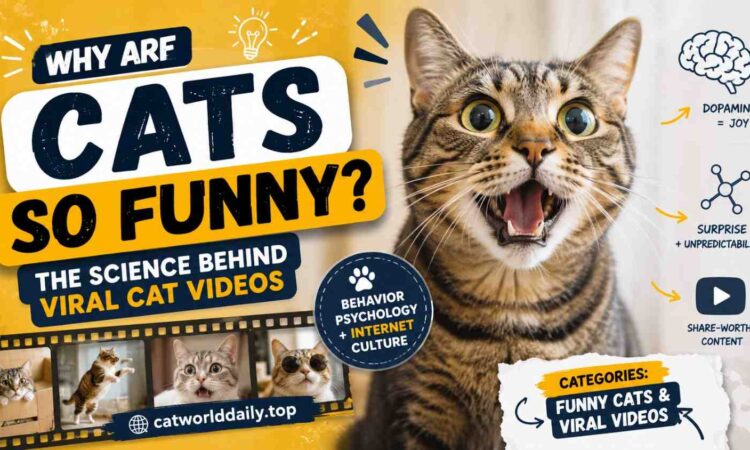
Few things unite the internet quite like funny cat videos. Whether it’s a kitten leaping into an empty box, a curious cat squeezing into an impossibly small container, or a dramatic reaction to a cucumber placed nearby, feline antics have become a universal source of entertainment. Every day, millions of people watch, share, and laugh at videos featuring cats, making them some of the most successful stars of social media.
But have you ever wondered why cats seem funnier than many other animals? The answer isn’t simply that they are cute. Their behavior combines intelligence, curiosity, unpredictability, and lightning-fast reflexes in ways that frequently surprise us. Human psychology also plays a role. We naturally enjoy unexpected situations, expressive body language, and relatable personalities—all qualities cats display in abundance.
This article explores the fascinating science behind feline behavior and explains why cat videos continue to dominate the digital world.
Why Cats Dominate the Internet
Cats possess a unique combination of independence and playfulness. Unlike animals that constantly seek attention, cats often behave according to their own mysterious rules. Their sudden mood changes, unexpected jumps, and amusing reactions create moments that feel spontaneous rather than staged.
Social media algorithms also favor short, emotionally engaging videos. A fifteen-second clip of a cat performing something unexpected is easy to watch, easy to share, and easy to enjoy regardless of language or culture. Because humor crosses borders, funny cat videos often become global sensations within hours.
The Evolution of Cat Behavior
Natural Hunting Instincts
Domestic cats still retain the instincts of skilled hunters. Their sudden pounces, rapid direction changes, and playful stalking behaviors originated as survival skills. What appears hilarious to us often represents perfectly normal feline behavior.
When a cat chases a feather toy or suddenly attacks a moving shadow, it is practicing hunting techniques developed over thousands of years. These behaviors remain deeply rooted even in well-fed indoor pets.
Curiosity and Playfulness
The saying “curiosity killed the cat” exists for a reason. Cats investigate nearly everything they encounter, often producing amusing situations. They squeeze into tiny boxes, inspect shopping bags, climb impossible places, and occasionally frighten themselves with completely harmless objects.
Young kittens are particularly playful because play helps develop coordination, confidence, and hunting skills. Adults continue playing throughout life, although their activity levels may gradually decline with age.
Why Humans Find Cats So Entertaining
Human brains are naturally drawn to surprise. We laugh when reality differs from our expectations, and cats specialize in unexpected behavior. One moment they appear calm and elegant; the next they sprint across the room for no obvious reason.
Their body language also contributes to their appeal. Wide eyes, twitching ears, puffed tails, slow blinks, and dramatic stretches communicate emotions without words. People instinctively interpret these movements, making cats seem expressive and relatable.
Many owners also assign personalities to their pets. One cat may seem grumpy, another mischievous, another affectionate, and another highly intelligent. These perceived personalities strengthen emotional connections and increase the entertainment value of everyday moments.
The Psychology Behind Viral Cat Videos
Researchers studying positive emotions have found that cute animals often trigger feelings of happiness, relaxation, and emotional warmth. Funny cat videos combine cuteness with surprise, creating a powerful mix that encourages repeated viewing and sharing.
Watching entertaining pet videos may also provide temporary stress relief. After a busy day, a short clip of a playful kitten offers a simple moment of joy that requires little effort or concentration.
Scientific Reasons Cats Behave Strangely
Zoomies Explained
Many owners notice sudden bursts of energy known as “zoomies.” During these episodes, cats race around the house at remarkable speed before suddenly calming down again.
Zoomies help release excess energy and allow cats to practice natural movement patterns. They are especially common in young cats and those living exclusively indoors.
Why Cats Love Boxes
Boxes provide security, warmth, and hiding places. Because cats are both predators and potential prey in nature, enclosed spaces allow them to observe their surroundings while feeling protected.
Scientists studying feline behavior have found that hiding spaces may even help reduce stress in unfamiliar environments.
Why Cats Knock Things Off Tables
Although it sometimes appears mischievous, this behavior often reflects curiosity rather than spite. Cats use their paws to investigate objects, testing movement, texture, and stability. If an object falls, the movement becomes even more interesting, encouraging repeated behavior.
Social Media’s Role in Cat Fame
Platforms such as TikTok, Instagram, Facebook, and YouTube have transformed ordinary household cats into international celebrities. Owners who consistently share authentic moments often build large communities of followers.
Interestingly, audiences usually prefer genuine interactions over carefully staged performances. Authentic personality remains the biggest ingredient in successful cat content.
Why Cat Videos Make People Feel Better
Laughter triggers positive emotional responses, while observing playful animals can reduce feelings of stress and anxiety. Many people intentionally watch cat videos during work breaks or before bedtime simply because they brighten their mood.
Cats also remind us to appreciate curiosity, playfulness, and rest—qualities that busy adults sometimes forget.
Creating Ethical Viral Cat Content
If you hope to share your own cat online, always prioritize your pet’s well-being over entertainment. Never frighten, force, or place a cat in dangerous situations simply to create a funny video.
Instead, capture natural moments. A genuine playful interaction will always be more enjoyable than content created through stress or discomfort.
Conclusion
Cats have conquered the internet because they combine intelligence, mystery, athleticism, and unpredictability in ways that constantly surprise us. Their behavior reflects millions of years of evolution while fitting perfectly into today’s fast-paced social media culture. Every leap, pounce, stretch, and curious glance tells a story that people around the world instantly understand.
The science behind viral cat videos reveals something even more meaningful: our fascination with cats is rooted in both biology and psychology. They entertain us, reduce stress, spark curiosity, and remind us that life’s funniest moments are often completely unplanned.
Frequently Asked Questions
1. Why do cat videos become viral so often?
They combine humor, surprise, adorable appearances, and relatable behavior in short, highly shareable clips.
2. Why do cats suddenly run around the house?
These energetic bursts, often called “zoomies,” help cats release excess energy and express natural hunting instincts.
3. Why are cats obsessed with boxes?
Boxes provide warmth, security, and a safe hiding place that satisfies natural feline instincts.
4. Can watching cat videos improve mood?
Many people report feeling happier and more relaxed after watching entertaining cat videos.
5. What’s the best way to create viral cat content?
Record your cat’s natural behavior, prioritize its welfare, and avoid forcing or staging stressful situations.


The Cat World Daily Editorial Team is dedicated to providing accurate, practical, and research-based information about cat care, nutrition, health, behavior, and products.


