When Do Kittens Open Their Eyes? Growth Stages Explained
Kittens & Growing Up: A Comprehensive Guide to Feline Development
The journey of kittens & growing up is a remarkable transformation, taking a tiny, dependent creature and shaping it into a confident, well-adjusted adult cat. For professionals involved in feline care, rescue, or simply dedicated cat owners, understanding the intricate stages of kitten development and the essential care required is paramount. From their fragile first weeks to the cusp of adulthood, every milestone and interaction contributes to their physical health, behavioral patterns, and overall well-being. This article delves into the dynamic process of feline growth, offering insights into their developmental stages, nutritional needs, health management, and strategies for fostering positive behavior, ensuring a solid foundation for a healthy and fulfilling life.
Introduction: The Dynamic Journey of Feline Growth
The early life of a kitten is a period of extraordinary change and rapid development. Within a mere 12 months, a kitten grows from a helpless newborn, fitting in the palm of our hand, to a mature adult cat. This intense growth phase, particularly during the first eight weeks, lays the groundwork for their physical and behavioral traits. Our role during this time is crucial, as our care and guidance directly influence their ability to thrive. Understanding the nuances of kittens & growing up allows us to provide the optimal environment, nutrition, and socialization necessary for them to flourish into balanced companions.
Kitten Developmental Stages and Essential Care
The developmental journey of a kitten is typically broken down into several key stages, each marked by significant physical and behavioral milestones. Observing these stages helps us tailor our care to their evolving needs.
Neonatal Stage (Birth to 2 Weeks)
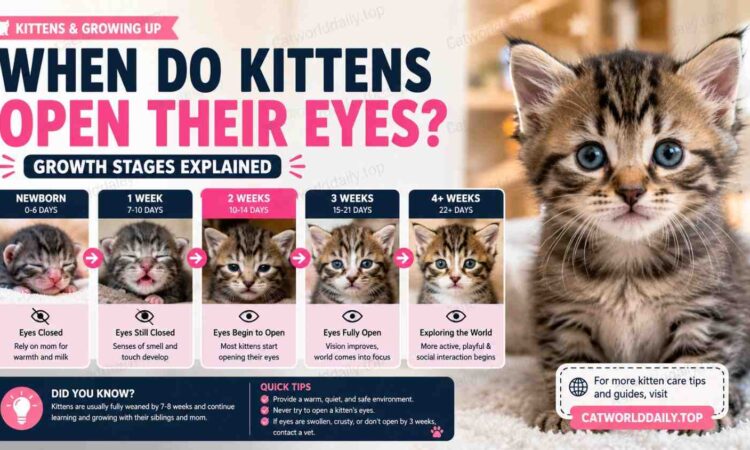
During this initial phase, kittens are completely dependent on their mother for warmth, nutrition, and hygiene. Their eyes and ears are closed at birth, relying heavily on touch and smell to navigate their world.
- Physical Milestones:
- Eyes begin to open around 8-12 days, although vision is poor initially and sensitive to bright light. All kittens are born with blue eyes, which may change color later.
- Ear canals slowly open around 7 days old, and ears begin to unfold and perk up by the third week.
- They typically double their birth weight by the end of the first week, gaining approximately 10-15 grams daily.
- Claws are non-retractable.
- Behavioral Milestones:
- Primarily focused on nursing and sleeping.
- Learning to orient toward sound.
- Competition for rank and territory can begin.
- Vocalizations are typically soft mews to signal hunger.
- Essential Care:
- Warmth: Kittens cannot control their body temperature and rely on external heat sources. The environment should be maintained at 89-93°F (32-34°C) for the first four days, gradually decreasing to 80°F (26.7°C) by 7-10 days and 75°F (24°C) by the end of week four. Provide warmed disks or heating pads.
- Feeding: Frequent nursing from the mother is vital for colostrum intake, which provides essential antibodies. If hand-rearing, kittens less than two weeks old require feeding every two to four hours with a specialized kitten milk replacer.
- Hygiene: Mother cats stimulate urination and defecation. For orphaned kittens, we must gently massage their genital area with a warm, moist cloth after each feeding until about three weeks of age.
- Weight Monitoring: Daily weighing is critical to ensure consistent weight gain, a reliable indicator of health. Failure to gain weight or weight loss for 24 hours warrants immediate veterinary attention.
Transitional Stage (2-4 Weeks)
This stage sees rapid changes as kittens become more aware of their surroundings.
- Physical Milestones:
- Eyes are fully open, though vision is still developing.
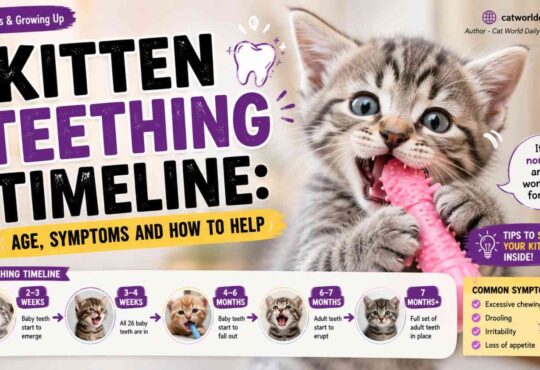
- Baby teeth (incisors) begin to emerge around three weeks.
- Coordination improves, and they start to try walking, initially wobbly, but steadily improving.
- Claws begin to retract.
- Behavioral Milestones:
- Start to interact with littermates.
- Begin exploring their immediate environment, staying close to their mother.
- Purring typically begins.
- Start developing self-grooming behaviors.
- Essential Care:
- Weaning Introduction: Around 3-4 weeks, kittens can begin the weaning process. Offer wet kitten food or gruel made from canned kitten food mixed with warm water in shallow dishes.
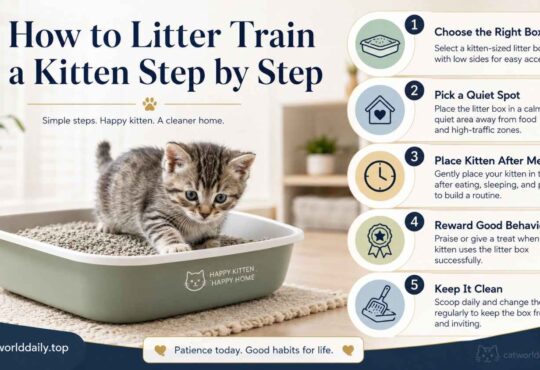
- Litter Box Training: Introduce a low-sided litter box with unscented, non-clumping litter. Kittens often learn by watching their mother.
- Socialization: Gentle handling by people should begin, lasting 15-40 minutes daily, to encourage larger brain development and make them more exploratory and playful.
Socialization Stage (4-8 Weeks)
This is a critical period for developing social skills and confidence.
- Physical Milestones:
- Sight and hearing are well-developed.
- Can run, jump, and climb confidently by 8 weeks.
- All baby teeth should be present by eight weeks of age.
- Weight typically reaches 1.9 to 2.1 pounds by eight weeks.
- Behavioral Milestones:
- Social and object play increases, enhancing physical coordination and social skills. This includes pouncing, leaping, tail chasing, and mock fighting.
- Interacting more with people and other animals.
- Perfecting grooming skills.
- Curious about toys and eager to explore.
- Essential Care:
- Socialization: This is the primary socialization window (2-7 weeks, extending to 14-16 weeks). Expose kittens to various sights, sounds, people (men, women, supervised children), and friendly, vaccinated pets. Use positive reinforcement with treats and praise.
- Feeding: By six weeks, kittens should be eating gruel four times a day, with dry food introduced by soaking it in warm water. By 8-10 weeks, they should be fully weaned and eating solid food and drinking water independently.
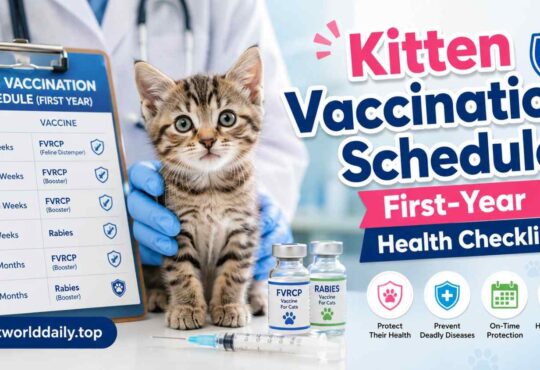
- First Vet Visit & Vaccinations: Kittens should begin veterinary wellness care around 6-8 weeks old. The first FVRCP vaccine is typically given at this age, with boosters every 3-4 weeks until 16 weeks. Deworming should also begin at two weeks and repeat every two weeks.
- Enrichment: Provide a stable, enriched home environment with safe and fun places to explore. Offer a variety of toys to encourage interactive play.
Junior Kitten Stage (3-6 Months)
Kittens continue to refine their skills and grow rapidly during this period.
- Physical Milestones:
- Start to lose baby teeth, with all adult teeth present by six months.
- Growth remains rapid, gaining about one pound per month for the first four months.
- Reach approximately 75% of their adult weight by six months.
- Behavioral Milestones:
- Highly active and playful.
- Developing daily routines and social skills.
- Increased curiosity and mobility.
- Essential Care:
- Continued Socialization: Keep exposing them to new experiences to build confidence.
- Vaccinations: Continue FVRCP boosters. Rabies vaccine is typically given around 12-16 weeks of age. FeLV vaccine may also be recommended, especially for at-risk cats.
- Spaying/Neutering: Kittens can be spayed or neutered when they reach about two pounds, typically around eight weeks, though many vets recommend around 4-6 months.
- Dental Care: Start introducing teeth cleaning with a moistened piece of gauze.
Adolescent Stage (6-12 Months)
As kittens approach their first birthday, they transition from rapid growth to filling out and maturing.
- Physical Milestones:
- Growth rate slows.
- Most domestic shorthair kittens reach their adult weight and size between 10 and 12 months of age. Larger breeds, such as Maine Coons, may continue growing until 18 months to 2 years.
- Behavioral Milestones:
- Activity levels may decline slightly.
- Continue to be playful, but their play may become more refined.
- Essential Care:
- Transition to Adult Food: Begin gradually switching to adult cat food around 10-12 months, or later for large breeds.
- Booster Vaccinations: Adult cats need regular boosters for FVRCP and Rabies every one to three years, depending on the vaccine and local regulations. FeLV boosters are recommended annually for at-risk cats.
Nutritional Needs and Health Management
Providing appropriate nutrition and proactive health management are cornerstones of raising healthy kittens & growing up.
Nutritional Needs
Kittens have unique dietary requirements that differ significantly from adult cats due to their rapid growth and high energy levels.
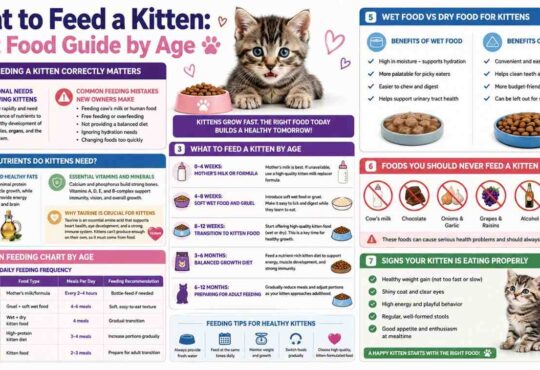
- Mother’s Milk: For the first 3-4 weeks, mother’s milk provides the ideal balance of fat, protein, and nutrients.
- Weaning:
- 3-4 Weeks: Begin introducing wet kitten food or gruel (canned kitten food mixed with warm water).
- 5-6 Weeks: Kittens should be able to eat canned food without added water as their baby teeth are more developed. Softened dry food can also be introduced.
- 6-8 Weeks: Most kittens are fully weaned and can eat wet or dry kitten food exclusively.
- Kitten Food Formulation: Kitten-specific food is essential. It is higher in:
- Protein: To support muscle and tissue development.
- Calories: To fuel their high energy and rapid growth.
- Essential Nutrients: Including DHA for brain and vision development, calcium and phosphorus for bone growth, and taurine.
- Feeding Frequency:
- Newborns (Hand-reared): Every 2-4 hours.
- 4-6 Weeks: 4-7 small meals per day.
- Up to 6 Months: Multiple small meals daily (3-6 meals).
- After 6 Months: Can transition to 2-3 meals per day, or dry kibble available for grazing, as long as daily calorie needs are met.
- Hydration: Always provide fresh, clean water in a low, spill-resistant bowl.
- Foods to Avoid: Never feed cow’s milk (can cause digestive upset) or human foods, especially those containing onion or garlic, which can be toxic.
- Transition to Adult Food:
- Timing: Most cats are ready to transition around 10-12 months of age, or 18 months to 2 years for larger breeds.
- Method: The transition should be gradual to avoid digestive upset. Over 7-10 days, gradually increase the new adult food while decreasing the kitten food. A common schedule is:
- Days 1-2: 75% kitten food, 25% adult food.
- Days 3-4: 50% kitten food, 50% adult food.
- Days 5-6: 25% kitten food, 75% adult food.
- Days 7-10: 100% adult food.
- Why Switch: Adult cats do not need the extra calories and nutrients of kitten food, and continuing a kitten diet can lead to obesity.
Health Management
Proactive veterinary care is essential to protect kittens from various health threats.
- First Veterinary Visit: Schedule an appointment within a week of bringing a kitten home. This establishes a health baseline, allows for a physical exam, weight evaluation, parasite screening, and vaccine planning.
- Vaccination Schedule: Vaccinations protect against serious and potentially fatal infectious diseases.


The Cat World Daily Editorial Team is dedicated to providing accurate, practical, and research-based information about cat care, nutrition, health, behavior, and products.