

Cat Products & Reviews: A Professional’s Guide to the Evolving Landscape
Introduction: The Evolving Landscape of Cat Products for Professionals
The global pet care market is experiencing a significant transformation, with cats increasingly taking center stage. As professionals in the pet industry, we observe a dynamic shift driven by factors such as the humanization of pets, where cats are treated as cherished family members, and a growing awareness of their specific nutritional and wellness needs. This evolving landscape presents both opportunities and challenges, demanding a sophisticated understanding of Cat Products & Reviews to best serve our feline clientele and their discerning owners.
The pet care market as a whole was valued at USD 207 billion in 2025, with cat food emerging as a key growth driver, exhibiting a Compound Annual Growth Rate (CAGR) of 6% between 2020 and 2025. This growth is partly attributed to pet owners increasingly choosing cats due to their perceived lower maintenance and costs compared to dogs. Projections indicate the global cat food market alone, estimated at USD 66.60 billion in 2025, is expected to reach USD 94.18 billion by 2036, growing at a CAGR of 3.2% from 2026 to 2036. North America held the largest market share in cat food in 2022 and 2025.
This article aims to provide professionals with a comprehensive overview of current cat product categories, recent innovations, a critical evaluation framework, and key market trends, equipping us with strategic insights for navigating the future of cat care.
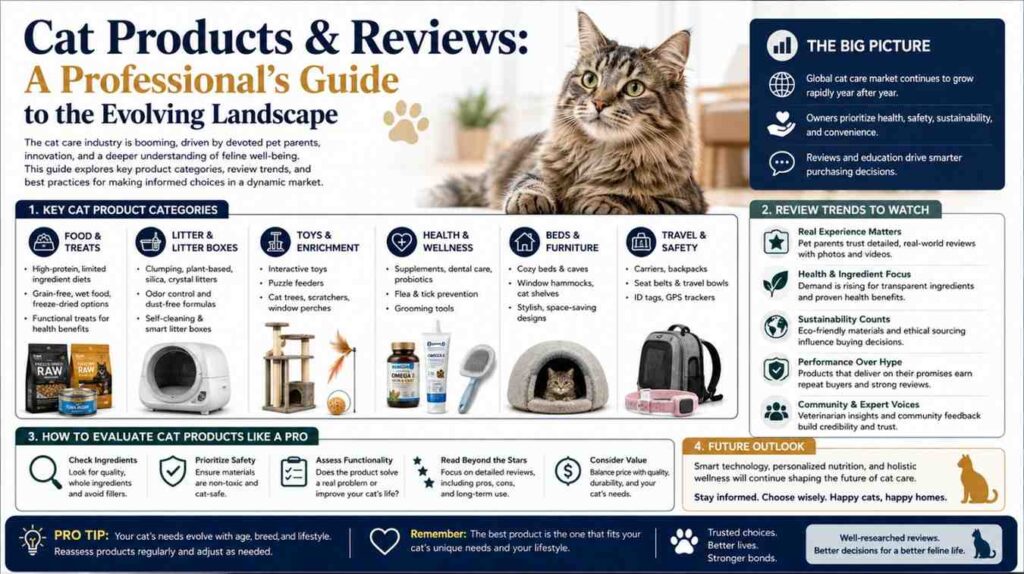
Core Cat Product Categories & Recent Innovations
The modern cat product market is characterized by rapid innovation across several key categories, catering to the diverse needs and preferences of both cats and their owners.
Cat Food & Nutrition
The cat food market is a cornerstone of the industry, encompassing a diverse range of products including dry kibble, wet formulations, treats, functional snacks, and veterinary-grade diets. The “humanization” trend has led to increased demand for high-quality, premium, and specialized cat food products.
- Personalized Nutrition: A significant innovation is the rise of personalized cat nutrition, where diets are tailored to an individual cat’s age, activity level, breed, health status, and even genetic predispositions. This move away from generic formulas aims to address specific health goals such as joint care, hydration, and weight management.
- Functional Ingredients: There’s a growing focus on functional ingredients like probiotics, prebiotics, and omega-3 fatty acids to support gut health, skin and coat health, immune function, and overall well-being. Experts suggest that the next frontier will also focus on cognitive and emotional health, especially for indoor cats.
- Wet Food Emphasis: Wet cat food continues to gain traction globally due to increased awareness of cats’ hydration needs and common urinary health concerns. Cats naturally have a low thirst drive, making moisture-rich diets essential. The wet food segment dominated the market with a revenue share of 50.7% in 2022.
- Alternative Proteins & Sustainability: With sustainability being a growing concern for 65% of pet parents, we see trends in alternative proteins, recyclable packaging, and transparent sourcing of ingredients.
Cat Litter & Waste Management
Innovations in cat litter focus on convenience, odor control, and environmental responsibility.
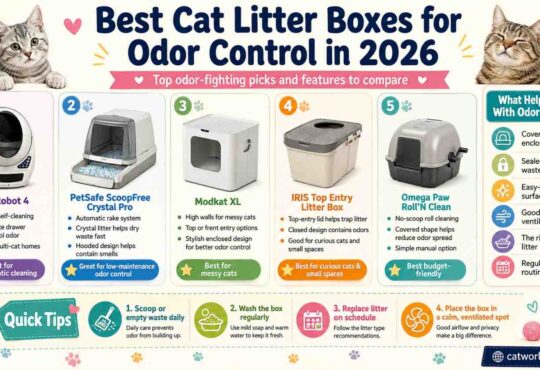
- Self-Cleaning Litter Boxes: Wi-Fi-enabled, self-cleaning litter boxes are revolutionizing waste management, significantly reducing manual effort and enhancing hygiene. Models like the Litter-Robot 4 offer features such as monitoring litter and waste levels, sending notifications, and even tracking individual cat’s weight in multi-cat households. The Petlibro Luma Smart Litter Box also offers AI-powered cat and waste ID.
- Smart Litter Box Monitors: Devices like the Petivity Smart Litter Box Monitor System can be placed under existing litter boxes to provide insights into a cat’s elimination habits, tracking up to five cats and identifying changes that could signal health issues like urinary tract problems or chronic kidney disease.
- Biodegradable & Sustainable Litters: Eco-friendly options are gaining popularity, with litters made from natural, renewable, and biodegradable materials like recycled wood, paper, corn, cassava, and guar gum. These aim to reduce landfill waste and ecological impact, offering good odor control and absorbency. Sustainably Yours litter, for instance, is made from corn and cassava, is flushable, and is lauded for its absorbency, clumping, and odor control.
Cat Toys & Enrichment
Enrichment products are vital for a cat’s physical and mental health, especially for indoor felines.
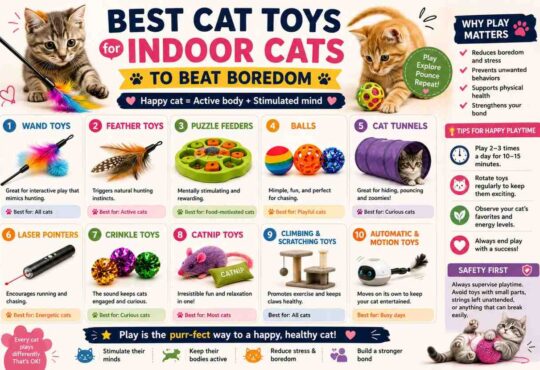
- Interactive & Smart Toys: Smartphone-controlled interactive toys allow owners to engage with their cats remotely, reducing boredom and separation anxiety.
- Eco-Friendly Toys: Demand for eco-friendly cat toys is rising, utilizing natural, handmade, or recycled materials such as wood, organic catnip, and recycled plastics. Examples include wooden track turntables, felt fish kicker toys made from recycled polyethylene, and catnip-filled sticks.
- Vertical Space & Scratchers: Durable wall shelves and scratchers provide essential vertical space and outlets for instinctual scratching behavior, helping to keep muscles and joints healthy and protecting household furniture.
Health & Grooming
The “prevention over cure” mindset is shaping the future of pet care, driving demand for proactive health management products.
- Health Monitoring Devices: The global pet health monitoring market is projected to exceed USD 3.5 billion by 2027, largely driven by AI-enabled wellness products, with cat owners accounting for over 45% of connected pet device purchases.
- Wearable Trackers: Smart collars and wearable health trackers continuously monitor vital signs such as resting heart rate, respiratory rate, activity levels, and sleep patterns, establishing personalized health baselines to detect early signs of stress or illness.
- Non-Wearable Monitors: Beyond smart litter boxes, other non-wearable sensors integrated into feeding stations can track weight, body temperature, hydration, and litter box activity, providing real-time data for early intervention.
- Grooming Products: The market for grooming, skin, and coat care products is growing, with consumers expecting safe, gentle, and effective solutions. Innovations include organic pet shampoos. Safety evaluations are crucial for both animals and human users, particularly for professional groomers.
- Calming Solutions: The cat calming category is expanding, with new products like lickable calming mousse health supplements containing L-Theanine, designed to ease everyday and situational stress in cats.
Pet Tech & Smart Home Integration
The broader pet tech market is expected to reach USD 44.71 billion by 2035, growing at a CAGR of 13.62%, driven by the humanization of pets and the demand for AI-enabled health monitoring and GPS solutions.
- Automated Feeders: Smart feeders allow for remote control of feeding schedules and portions, and some even include webcams to monitor eating habits. Microchip feeders ensure only specific cats access particular diets, crucial for multi-cat households or those with special dietary needs.
- Pet Cameras: Pet cameras offer 24/7 monitoring, two-way communication, and even treat dispensing, allowing owners to interact with their cats remotely.
- AI-Driven Analytics: AI is increasingly integrated into devices to decode hidden health signals through image recognition and behavioral analysis, improving accuracy over time by learning an individual cat’s baseline health.
Critical Evaluation Framework for Professionals
As professionals, our responsibility extends beyond simply recommending products; it involves a rigorous evaluation to ensure safety, efficacy, and value. Here, we outline a framework inspired by industry best practices.
1. Scientific Backing & Research
- Veterinary Nutritionist Involvement: For cat food, we must ask if the company employs a board-certified veterinary nutritionist (DACVN) full-time. This ensures formulations are developed with expert knowledge of feline nutritional needs.
- Original Research & Feeding Trials: Reputable brands should conduct and publish original research. Crucially, they should use AAFCO (Association of American Feed Control Officials) feeding trials rather than relying solely on formulation to standards, as trials demonstrate real-world performance.
- Ingredient Transparency & Sourcing: We look for transparent sourcing of ingredients and clear explanations of their benefits. Claims like “natural,” “holistic,” or “grain-free” have no regulated nutritional meaning and should not be the sole basis for evaluation.
2. Safety & Quality Control
- Manufacturing Standards: Inquire about manufacturing facilities (owned vs. contract manufacturers) and the testing performed on ingredients before production and on finished products before shipping.
- Recall History: Regularly check public databases, such as the FDA’s pet food recall database, for recent or repeated contamination recalls. This is a critical indicator of quality control issues.
- Species-Appropriate Formulation: For grooming and care products, formulations must consider the specific physiological and behavioral characteristics of cats, including skin pH, secretions, hair type, and grooming behaviors like licking, which may lead to oral exposure. Safety assessments must account for the lack of toxicological data for certain species and breeds.
- Human Safety: Especially for professional products used by groomers or breeders, ensure that products are safe for human handling, considering potential skin irritation, eye irritation, and inhalation exposure.
3. Efficacy & Performance
- Real-World Testing: Products should be evaluated under real-life conditions, observing how cats interact with them and noting clear preferences. For daily-use items like litter boxes and beds, testing for at least two weeks is recommended.
- Durability & Longevity: For toys, furniture, and long-term investment items like automatic litter boxes, durability and performance after repeated use are essential.
- Odor Control & Absorbency (Litter): For litter, key performance indicators include odor control, absorbency, and clumping ability.
- Ease of Use & Cleaning: Consider the convenience for pet owners, including ease of assembly, programming (for smart devices), and cleaning.
4. Value & Affordability
- Price vs. Quality: Price does not always correlate with quality; scientific backing and performance are more reliable indicators.
- Long-Term Cost: For smart devices, consider the long-term cost, including replacement parts or proprietary litter requirements that might void warranties.
- Budget-Conscious Options: Be aware that while premiumization is a trend, a significant portion of pet owners are also seeking good value and may trade down to lower-priced or private-label brands without sacrificing quality.
5. Sustainability & Ethics
- Eco-Friendly Materials: Evaluate products made from recycled, renewable, biodegradable, or organic materials.
- Ethical Manufacturing: Look for brands that uphold high sustainability standards, use renewable energy, and ensure ethical labor practices.
- Certifications: Certifications like USDA Organic or Upcycled Food can be meaningful purchase signals.
Key Market Trends & Future Outlook in Cat Care
The cat care market is dynamic, shaped by several overarching trends that will continue to influence product development and consumer behavior.
1. Humanization and Premiumization
The trend of humanization, where pets are treated as family members, continues to drive demand for high-quality, premium, and often human-grade products and services. This leads to increased spending on areas such as veterinary care, premium food, and specialized services. We anticipate a continued focus on luxury pet services and experiences, including pet spas and enrichment parks.
2. Focus on Health & Wellness
The “prevention over cure” mindset is gaining momentum, with pet owners adopting a proactive health management approach. This fuels demand for:
- Functional Nutrition: Foods and treats targeting specific health issues like senior/anti-aging, digestive problems, skin and coat health, and heart health.
- Advanced Health Monitoring: Rapid adoption of AI-enabled wellness products, including smart collars, litter boxes, and feeding stations that track vital signs and behaviors for early disease detection. The global pet health monitoring market is projected to exceed USD 3.5 billion by 2027.
- Gut Health: A significant trend is the focus on gut health, with microbiome-supporting solutions like prebiotics, probiotics, and postbiotics increasingly incorporated into pet products.
3. Sustainability and Eco-Consciousness
Environmental concerns are a significant driver for pet parents, with 65% expressing concern about climate change. This translates into a strong preference for:
- Eco-Friendly Products: Natural, biodegradable, and plastic-free options across all categories, from litter to toys and grooming products.
- Responsible Sourcing & Packaging: Transparent ingredient sourcing and recyclable or minimal packaging are increasingly expected.
4. Technological Integration & Smart Products
The pet tech market is booming, with cats likely to be the fastest-growing segment from 2026 to 2035 due to increased adoption of indoor pets and demand for lightweight wearable solutions. Key areas include:
- AI-Powered Devices: AI diagnostics and predictive analytics will become more sophisticated, identifying disease risk before physical symptoms appear.
- Remote Monitoring & Interaction: Smart feeders, cameras with two-way communication, and internet-controlled toys will continue to enhance the connection between owners and their pets, even from a distance.
- Telemedicine Integration: As 5G connectivity expands, veterinarians will gain access to real-time dashboards for continuous patient care, bridging home and clinic environments.
5. Shifting Demographics and “Feline Favoritism”
Cat ownership is on the rise, even in traditionally dog-centric regions, with cat food as the fastest-growing category in the pet food market. Factors include lower maintenance costs for cats and changing urban lifestyles. In the U.S., cat-owning households increased by 5% year-over-year in 2025, reaching 39% of U.S. households (53 million), with growth propelled by Gen Z and Millennials. Despite this, cat-focused offerings still have significant room for growth, as product assortments and innovation have historically been skewed towards dogs. This signals a substantial opportunity for brands to cater more specifically to feline needs and preferences, especially in areas like fresh and gently cooked foods and wellness products for senior cats.
Frequently Asked Questions (FAQ)
Here we address common questions professionals might encounter regarding Cat Products & Reviews.
- Q: What are the primary drivers behind the growth in cat product sales? A: The growth is primarily driven by the humanization of pets, where cats are treated as family members, leading to increased spending on premium and specialized products. Rising cat ownership, particularly among younger generations (Gen Z and Millennials), and a greater awareness of feline-specific health and nutritional needs also contribute significantly.
- Q: How do I evaluate the quality of cat food brands for professional recommendation? A: We recommend using a framework that prioritizes scientific backing. Key questions include whether the company employs a board-certified veterinary nutritionist, conducts and publishes original research, and uses AAFCO feeding trials. Transparency in ingredient sourcing and a clean recall history are also crucial.
- Q: Are smart pet products truly beneficial for cats, or are they just gadgets for owners? A: Many smart pet products offer genuine benefits. For example, smart litter boxes and health monitors can detect early signs of illness by tracking changes in weight, elimination patterns, and activity, enabling timely veterinary intervention. Automated feeders help with portion control and consistent feeding schedules, which can be crucial for cats with specific dietary needs. However, it’s important to evaluate individual products for reliability, ease of use, and whether they genuinely improve a cat’s well-being.
- Q: What role does sustainability play in the current cat product market? A: Sustainability is a major trend. Pet parents are increasingly seeking eco-friendly products made from natural, recycled, or biodegradable materials, with transparent sourcing and recyclable packaging. This reflects a broader consumer shift towards environmentally conscious purchasing decisions.
- Q: What are the key emerging trends in cat health and wellness products? A: Emerging trends include a strong focus on personalized nutrition tailored to individual cat needs, the integration of functional ingredients (e.g., prebiotics, probiotics) for gut health, and the widespread adoption of AI-enabled health monitoring devices for early disease detection and preventive care. Calming supplements are also gaining traction to address feline stress.
Conclusion: Strategic Insights for the Future of Cat Care Professionals
The landscape of Cat Products & Reviews is undergoing a profound transformation, driven by evolving consumer expectations, technological advancements, and a deeper understanding of feline needs. For professionals in the pet care industry, staying abreast of these changes is not merely advantageous but essential for sustained success and providing optimal care.
We have seen how the market is increasingly shaped by the humanization of pets, leading to a demand for premium, personalized, and health-focused products. Cat food, in particular, is witnessing significant innovation with tailored nutrition and functional ingredients addressing specific health concerns. The rise of smart pet technology, from self-cleaning litter boxes and automated feeders to sophisticated health monitoring devices, offers unprecedented opportunities for proactive care and remote engagement. Furthermore, sustainability has emerged as a critical factor, influencing product development and consumer choice across all categories.
The shift towards “feline favoritism” and the growing number of cat-owning households, especially among younger demographics, underscore a significant market opportunity that has historically been underserved compared to the canine segment. This calls for a strategic re-evaluation of product portfolios and marketing efforts to cater specifically to feline preferences and needs.
As professionals, our ability to critically evaluate products based on scientific backing, safety, efficacy, value, and sustainability will differentiate our services. By embracing these trends and leveraging data-driven insights, we can not only meet but exceed the expectations of modern cat parents, fostering healthier, happier cats and building a more robust and innovative future for the entire cat care industry.